



The chunky pocket book — a small object with a big mouth.
Most brands release catalogues. We made something else entirely.
READ MORECollection 26-27
A collection can become very predictable once you decide too early what it should be. Choose a style, define the colours, agree on a handful of materials and suddenly every new design has to behave. It certainly makes things easier. We’re just not convinced it makes things more interesting.
So somewhere along the way, we became less concerned with whether everything matched. During the development of this collection, references came into the studio from all directions. There were hints of farmhouse and cottage interiors, but also much sharper, more contemporary ideas. Familiar shapes sat next to strange proportions. Colours we initially questioned kept finding their way back onto the table. Instead of trying to force it all into one clear aesthetic, we started looking at what happened in between.
Of course, mixing things is the easy part. Knowing when the mix works is much harder. Too much harmony and a collection becomes predictable; too much contrast and it loses its connection altogether. We found ourselves constantly moving between the two. Making something softer, then putting something sharp beside it. Taking a familiar reference and pushing it just far enough that it felt new again.
Materials became an important part of finding that balance. Not because we decided to build a collection around them, but because they kept changing the designs. A form that felt too strict suddenly made sense in a softer fabric. A simple piece of furniture became much more interesting once its surface was allowed to stay tactile and imperfect. The material wasn’t something added at the end. Quite often, it changed the direction altogether.
You can see that thinking in Flake. Its proportions are generous and its shape has presence, but softness keeps it from becoming too architectural. Bronco takes another route. We wanted an outdoor sofa with the confidence and comfort we’d normally expect indoors, without turning a terrace into an outdoor living-room cliché. Both started with a different question, yet ended up exploring the same tension between strength and ease.
The material wasn’t something added at the end.
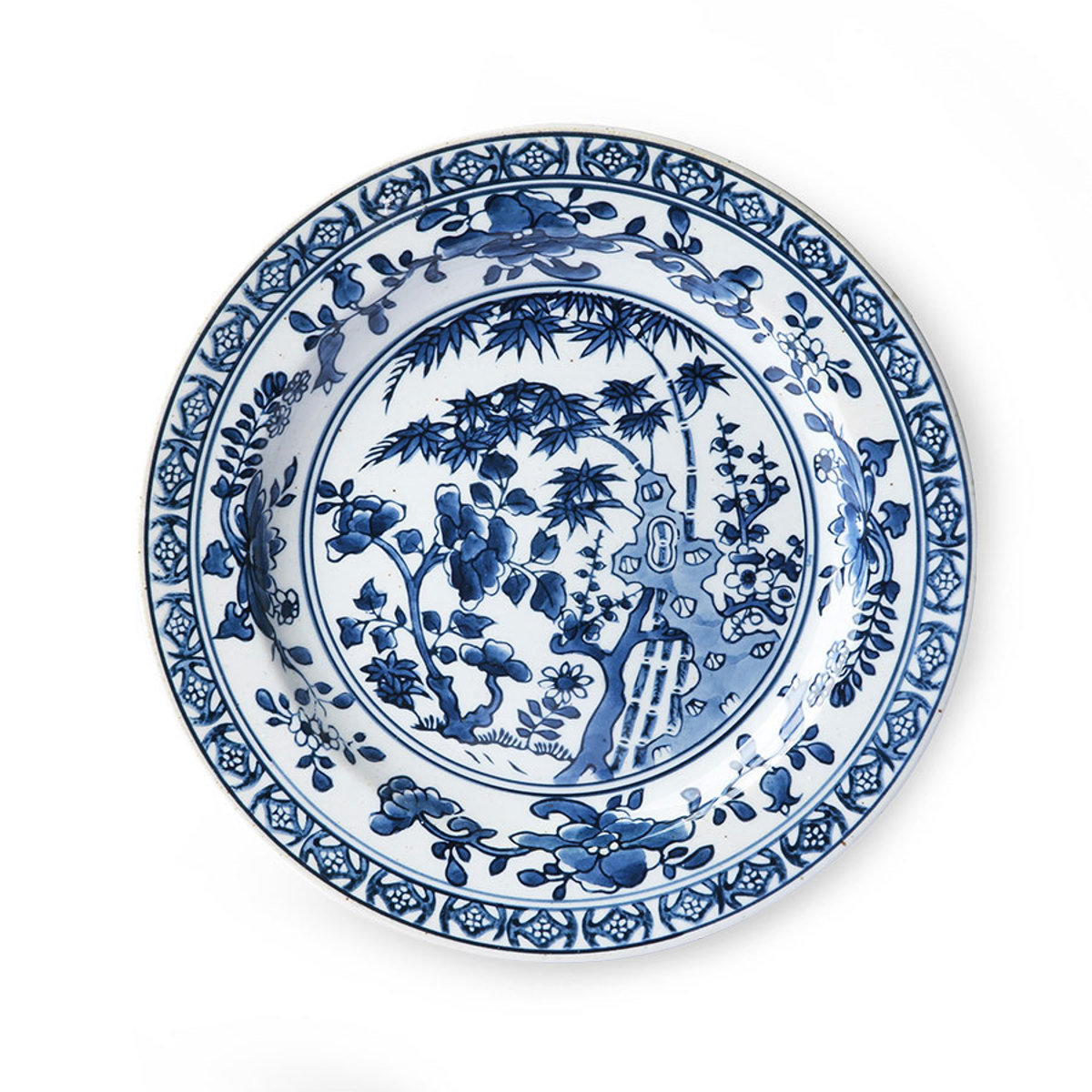
Elsewhere, we deliberately looked backwards to move things forward. The Raw series has something almost primitive in its proportions, yet the execution is precise. Sunday Ceramics plays with the familiarity of traditional tableware without becoming nostalgic, while Farmhouse Ceramics takes forms that feel as though they’ve been around for years and places them comfortably among the much more expressive 70s Ceramics and refined Chef Ceramics.
On paper, not everything in this collection should work together. That became part of the point. Because when we look at the interiors we actually want to spend time in, they’re rarely built around one perfectly executed idea. Something old interrupts something new. A slightly odd object breaks up a carefully considered room. Pieces arrive at different moments and somehow learn to live together.
We don’t need every piece to agree. It just needs enough character to hold its own.
Activating Assistant mode